
Leaky Gut Nutrition
Nutrition to Support Gut Health and Digestion
Get in Touch With Us!
We aim to get back to you in 24 hours.
If you've been told you have a “leaky gut”, you may already have been given a long list of foods to avoid, supplements to take or specialist tests to consider.
At Leaky Gut Nutrition, we take a more grounded approach.
We help you look at your overall diet, digestive symptoms and eating habits without assuming that every symptom is caused by a damaged gut barrier.
Take a Food-First Approach to Gut Health
What Does “Leaky Gut” Actually Mean?
The term “leaky gut” is commonly used to describe increased intestinal permeability.
Your intestinal lining naturally acts as a selective barrier between the contents of your digestive tract and the rest of your body.
Changes in this barrier can occur in some recognised gastrointestinal conditions, including coeliac disease and inflammatory bowel disease. However, “leaky gut syndrome” itself is not currently recognised as a standalone medical diagnosis.
That means symptoms such as bloating, abdominal discomfort, loose stools or fatigue shouldn't automatically be attributed to “leaky gut”.
Start With Your Digestive Symptoms
Rather than beginning with an unproven diagnosis, we start with what you're actually experiencing.
That might include:
- Bloating
- Excessive wind
- Abdominal discomfort
- Constipation
- Loose stools
- Irregular bowel habits
- Food-related symptoms
- A highly restricted diet
- Concerns about gut health
From there, we can look at whether practical nutritional changes are appropriate.
Nutrition for a Healthy Gut
You don't need an extreme gut-healing programme to improve the overall quality of your diet.
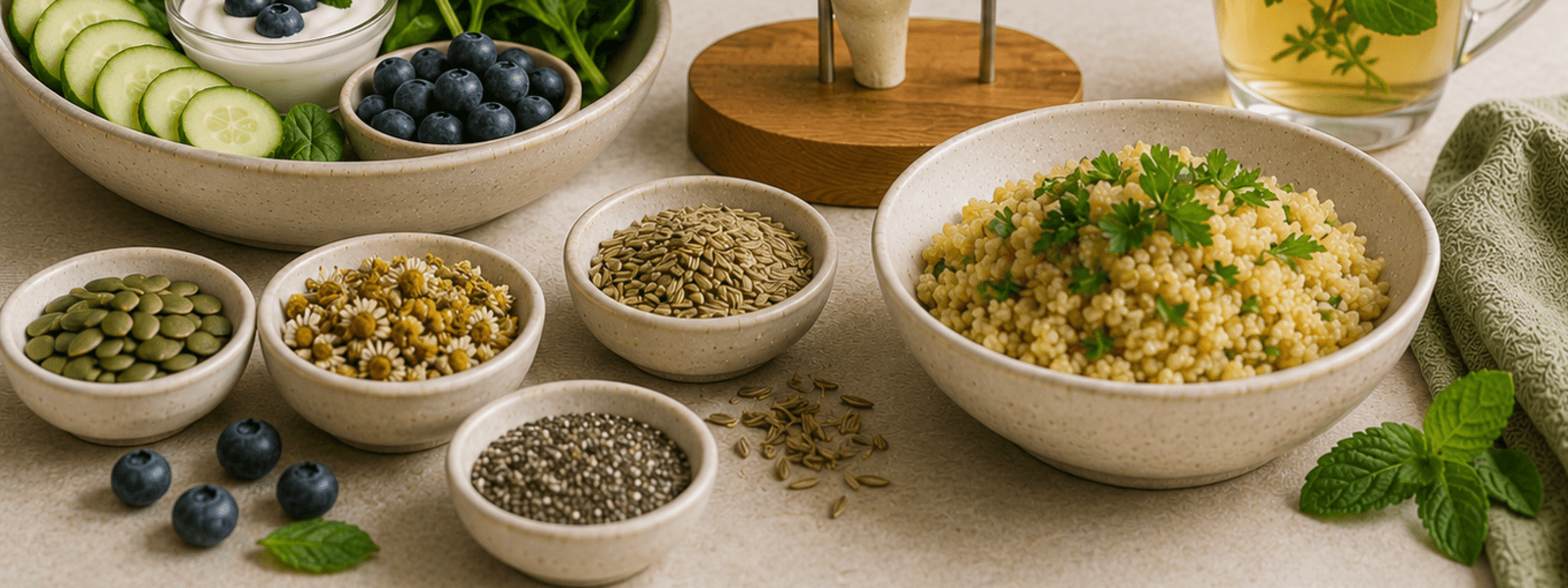
Depending on your individual tolerance and requirements, a gut-focused eating pattern can include:
A variety of plant foods
Vegetables, fruit, grains, nuts, seeds and pulses can contribute fibre and dietary diversity.
Appropriate fibre
The amount and type should reflect your symptoms rather than simply aiming for as much as possible.
Protein-rich foods
Fish, eggs, meat, dairy, beans, lentils and appropriate plant-based alternatives can all form part of a balanced diet.
Healthy fats
Foods such as olive oil, nuts, seeds, avocado and oily fish can contribute unsaturated fats.
Regular meals
Meal structure and consistency can matter just as much as individual ingredients.
Get Personalised Gut Nutrition Support
Do You Need to Eliminate Foods?
Not automatically.
People concerned about “leaky gut” are often encouraged to remove gluten, dairy, sugar, grains or several other food groups simultaneously.
This can make the diet unnecessarily restrictive.
Laboratory guidance in the UK specifically warns that unvalidated “leaky gut” testing can lead people to exclude large numbers of foods without good evidence, potentially causing harm.
Our approach is therefore:
Identify a reason → make a targeted change → monitor the response → maintain as much variety as possible
Rather than removing half your diet at once.
Gluten and Gut Health
If you're experiencing ongoing digestive symptoms, gluten shouldn't automatically be blamed.
Coeliac disease is a recognised medical condition that can affect the intestinal lining and requires a strict gluten-free diet once diagnosed.
If coeliac disease is suspected, appropriate medical testing is preferable to beginning a gluten-free diet without investigation.
Simply having bloating or digestive discomfort doesn't establish that gluten is the cause.
What About Dairy?
Dairy can also be unnecessarily removed from gut-health diets.
Some people may have lactose intolerance or another clear reason to restrict certain dairy foods.
Others tolerate dairy perfectly well.
Instead of assuming dairy is damaging your gut, we look at your individual symptom pattern and wider nutritional intake.
Fibre and the Gut
Fibre is an important part of digestive nutrition, but tolerance varies.
For some people, increasing plant foods and fibre gradually can be useful.
For others — particularly those with IBS or significant bloating — suddenly adding large amounts of fibre may make symptoms worse.
This is why your diet should be adjusted according to your response, not a generic gut-healing checklist.
Probiotics and Gut Supplements
Gut-health products are heavily marketed.
You may have encountered:
- Probiotics
- Prebiotics
- Digestive enzymes
- Glutamine
- Herbal products
- “Gut repair” powders
- Microbiome supplements
These products shouldn't automatically replace a balanced diet or appropriate medical assessment.
There is also no standard validated test or treatment for “leaky gut syndrome” as a standalone condition.
If you're already taking several supplements, we can consider them alongside your wider diet rather than assuming more products are needed.
Focus on the Whole Diet
The biggest mistake with many gut-health programmes is concentrating on one ingredient.
A healthier approach is to look at the whole pattern.
Are you eating regular meals?
Is your diet varied?
Where does your fibre come from?
Are you getting enough protein?
Have you removed too many foods?
Are you eating mainly highly processed alternatives because of dietary restrictions?
These questions often provide much more useful information than searching for a single “gut-healing” food.
When to Speak to Your GP
Digestive symptoms shouldn't automatically be self-diagnosed as leaky gut.
Persistent or changing symptoms should be medically assessed, particularly if you experience concerning features such as unexplained weight loss, blood in your stool, persistent diarrhoea or significant abdominal pain.
Nutrition support can complement appropriate healthcare, but it shouldn't replace investigation of an underlying gastrointestinal condition.
Why Choose Leaky Gut Nutrition?
Balanced Approach
We don't claim that every digestive symptom is caused by “leaky gut”.
Food First
The emphasis is on improving your overall diet rather than immediately adding multiple supplements.
Less Restriction
Foods aren't removed without a clear reason.
Personalised
Your symptoms, current diet and individual tolerance guide the approach.
Practical
Recommendations are designed to work within normal everyday life.
Frequently Asked Questions
Is leaky gut a real medical condition?
Increased intestinal permeability is a real physiological phenomenon and can occur in certain recognised gastrointestinal conditions. However, “leaky gut syndrome” is not currently recognised as a standalone medical diagnosis.
Can diet repair a leaky gut?
We wouldn't claim that a particular diet can “repair” or cure leaky gut syndrome. Nutrition can support a balanced diet and general digestive health, while recognised gastrointestinal conditions require appropriate medical management.
Should I avoid gluten?
Not automatically. If coeliac disease is suspected, appropriate testing should be considered rather than simply removing gluten.
Do I need to avoid dairy?
Not simply because you're experiencing digestive symptoms. Whether dairy is relevant depends on your individual circumstances.
Are gut permeability tests reliable?
Commercial “leaky gut” tests aren't routinely used by regulated healthcare professionals because their clinical usefulness hasn't been established.
Can you help with bloating and digestive symptoms?
Yes. Nutrition support can look at your food choices, fibre, meal patterns, dietary restrictions and other factors that may be relevant to digestive wellbeing.
Take a Clearer Approach to Gut Nutrition
Gut health doesn't need to mean restrictive diets, expensive tests and cupboards full of supplements.
At Leaky Gut Nutrition, we focus on something more practical:
Understand your symptoms. Review your diet. Improve nutritional quality. Keep unnecessary restrictions to a minimum.
Get in touch today for personalised gut nutrition support.
What People are Saying About Us
★★★★★
“I was relieved to find an approach that didn't involve buying endless powders and supplements.”
Laura K.
North West
★★★★★
“The focus on everyday nutrition and dietary variety made so much more sense to me.”
Isabelle C.
North West
★★★★★
“Everything felt measured and sensible rather than extreme.”
Amy R.
North West
★★★★★
“I now have a much clearer understanding of what a balanced gut-friendly diet can look like.”
Natasha F.
North West
Start Building Better Digestive Habits